


Urban Heat Islands: How Cities Are Battling Rising Temperatures
Posted by admin on 2024-09-21 |
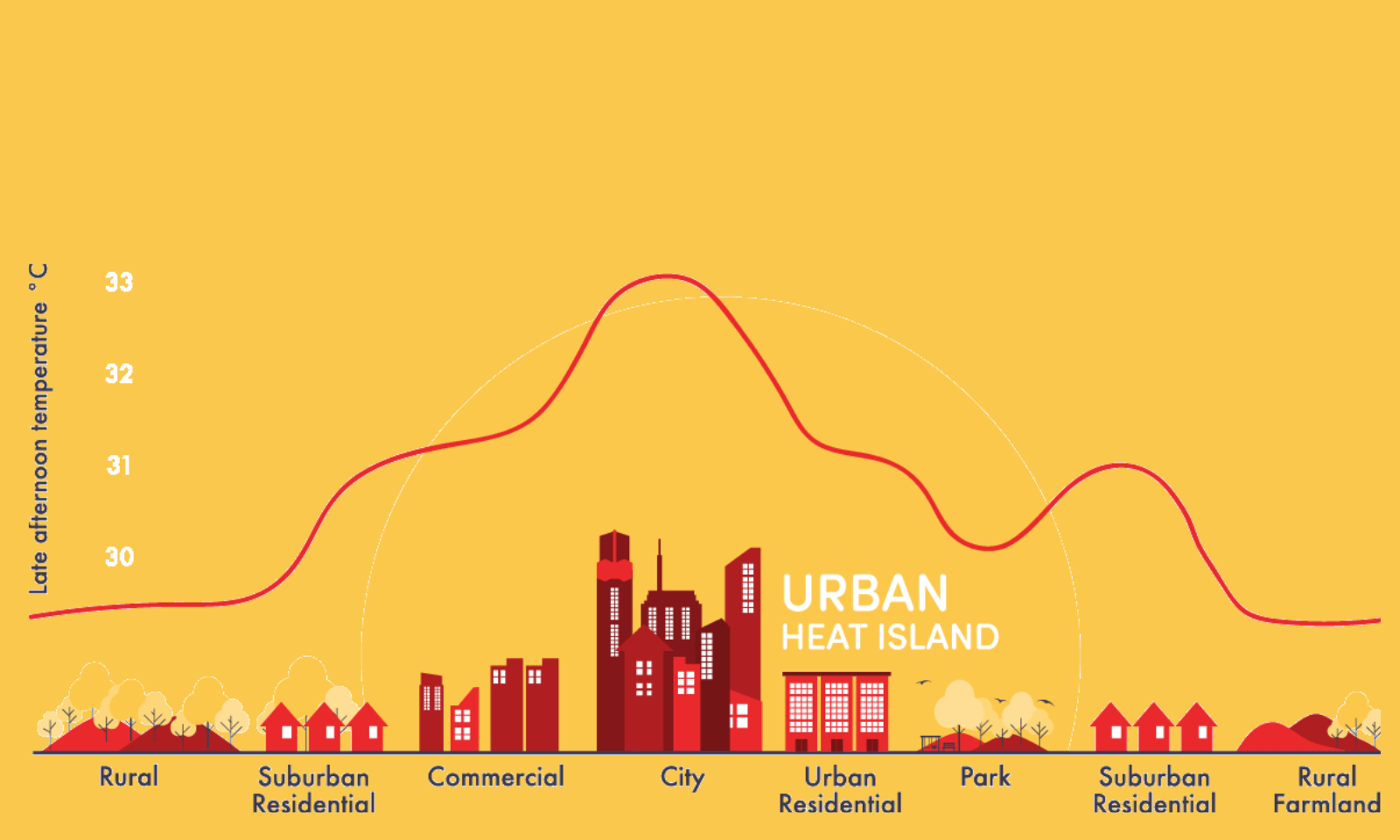
With the increasing frequency and intensity of heatwaves worldwide, cities are grappling with the challenge of protecting their residents from extreme temperatures. Heatwaves, now a growing threat due to climate change, have resulted in rising mortality rates, strained infrastructure, and exacerbated social inequalities. Cities, as concrete-heavy heat islands, are often hit hardest, experiencing temperatures higher than their rural counterparts.
The Science Behind Urban Heat Islands
Urban heat islands occur when cities absorb and retain more heat than surrounding rural areas due to surfaces like concrete and asphalt that trap heat. According to research published by the Intergovernmental Panel on Climate Change (IPCC), cities can be several degrees hotter than nearby non-urban regions. This temperature disparity is worsened by climate change, leading to prolonged heatwaves that urban areas find harder to escape from.
Indian cities like Delhi, Mumbai, and Ahmedabad are facing extreme heat events at unprecedented levels. According to a report by the Council on Energy, Environment and Water (CEEW), the frequency of extreme heatwave events in India has increased by over 60% between 1981 and 2020. In May 2022, parts of India saw temperatures soar above 49°C, leading to power shortages, water stress, and even deaths.
The Impact of Heatwaves on Cities
Heatwaves put enormous strain on city infrastructure, from power grids failing under the pressure of increased air-conditioning use to water shortages caused by the depletion of natural resources. Public health is a significant concern: prolonged exposure to high temperatures can cause heatstroke, dehydration, and respiratory problems, especially for vulnerable populations like the elderly, children, and outdoor workers. In fact, the Lancet Countdown Report on Health and Climate Change highlights how heat-related mortality is a growing crisis in urban areas globally, especially in densely populated, low-income areas where residents lack access to cooling systems.
Solutions: How Cities Are Adapting
Faced with these rising temperatures, cities worldwide are implementing strategies to adapt to heatwaves.
1. Green Infrastructure: Cooling Through Nature One of the most effective ways has been increasing greenery in cities. Trees and plants naturally cool the environment through evapotranspiration. A study from the University of California, Berkeley, found that urban green spaces can lower temperatures by up to 4°C, providing natural relief from heat.
Indian cities are beginning to embrace this approach. For example, Ahmedabad, a city that has experienced deadly heatwaves, has implemented an ambitious tree-planting program and developed green corridors to cool the city. The "Ahmedabad Heat Action Plan" focuses on increasing the city’s green cover and has already planted over 200,000 trees to help mitigate the urban heat island effect.
Similarly, cities like Hyderabad are investing in green rooftops and vertical gardens on buildings to reduce indoor temperatures and provide shade. Pune has introduced the concept of urban forests, converting unused land into green spaces to cool surrounding areas and absorb pollutants.
2. Cool Roofs: Reflecting Heat Away Cool roofs, made of reflective materials, are another strategy cities are adopting to combat heat. According to research by the Global Cool Cities Alliance, cool roofs can reduce indoor temperatures by 2-3°C, significantly lowering the need for air conditioning and reducing energy consumption. In Indian cities, where access to cooling systems is limited for many, this solution is particularly valuable.
The state of Maharashtra has launched a "Cool Roof Program," encouraging residents in urban areas like Mumbai and Pune to apply reflective coatings to their roofs. This initiative aims to bring relief to low-income households living in crowded, heat-absorbing structures.
3. Heat Action Plans: Early Warning and Public Awareness Proactive planning is crucial in mitigating the risks of heatwaves. Several Indian cities, most notably Ahmedabad, have developed Heat Action Plans (HAPs), which focus on raising public awareness, issuing early heatwave warnings, and providing guidelines to reduce heat exposure.
Ahmedabad's pioneering Heat Action Plan, initiated in 2013 in collaboration with the Natural Resources Defense Council (NRDC), was India’s first city-level plan aimed at combating extreme heat. The program includes public education campaigns on heat protection, early warning systems for extreme weather, and training healthcare workers to treat heat-related illnesses.
A Warming Future
A report by the World Bank emphasizes that cities must integrate climate adaptation into their long-term urban planning to build heat resilience. As global temperatures continue to rise, urban areas must continue to adapt to the new reality of more frequent and intense heatwaves. While innovative measures like green infrastructure, cool roofs, and heat action plans are helping mitigate the impact of extreme temperatures, further research and investment are essential.