


Microplastics in Our Blood, Lungs, Brain, Intestines... They're Everywhere Inside Us
Posted by admin on 2024-09-23 |
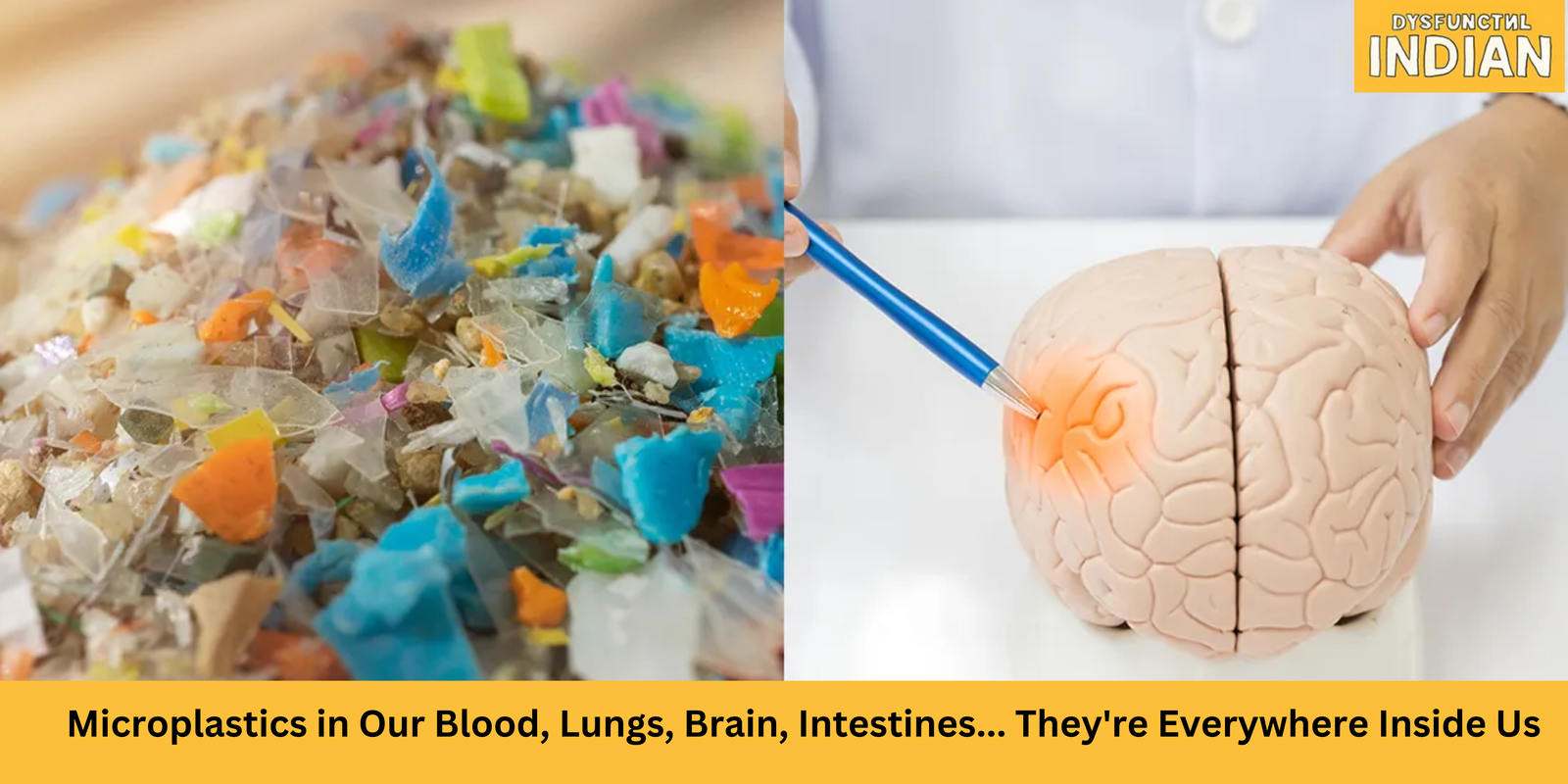
Back in March 2022, British
newspaper The Guardian published an article that shook the
world—reporting the first-ever detection of microplastics in human blood.
Scientists found these tiny plastic particles in almost 80% of the people they
tested, suggesting that microplastics can travel around the body and possibly
lodge in organs. While the impact of this discovery on human health was
initially unknown, recent research has begun to paint a more concerning
picture.
What Are
Microplastics?
Microplastics are tiny plastic
particles less than 5 millimeters in size, about the size of a sesame seed or
smaller. They come from a variety of sources, such as the breakdown of larger
plastic items like bottles and bags, or from microbeads found in cosmetics and
cleaning products. These particles can enter the environment through improper
disposal or during the washing of synthetic fabrics, which release tiny fibers
into water systems.
What Does the Studies Say?
The alarm has grown louder in 2024.
A recent study has pointed to a potential link between micro- and nanoplastics
(MNPs) present in blood vessels and cardiovascular disease. MNPs are so tiny
that they can pass through the walls of blood vessels, potentially accumulating
in tissues and organs.
Early studies suggest that
microplastics may disrupt normal cell function, triggering stress responses and
immune reactions. This could set off a chain reaction that damages blood
vessels or promotes the formation of clots, raising the risk of strokes or
heart attacks.
In studies involving rodents,
microplastics have been found to cause harmful effects on multiple organs, such
as the intestines, lungs, liver, and even the reproductive and nervous systems.
More recently, microplastics have been detected in various human tissues and
organs, including the blood, lungs, placenta, and breast milk.
What Other Health Issues Could Be
Linked to Microplastics?
Cardiovascular disease isn’t the
only health concern. Some research suggests microplastics might also play a
role in hormone disruption. Since many plastics contain endocrine-disrupting
chemicals (EDCs) like bisphenol A (BPA), they may interfere with the body’s
hormone systems. Hormonal imbalances can lead to reproductive issues,
developmental problems, and even certain cancers.
Moreover, researchers are starting
to investigate how MNPs could affect the lungs and gastrointestinal tract, two
areas where exposure to airborne and ingested plastics is especially high.
Early findings point to the potential for respiratory inflammation and
digestive issues, but much remains unknown about the long-term effects of
chronic exposure.
How Are We Ingesting Microplastics?
Everyday activities are exposing us
to microplastics more than we might realize. These particles have been detected
in bottled water, seafood, table salt, and even the air we breathe. Many
microplastics originate from the breakdown of larger plastic debris, such as
plastic bags, bottles, and synthetic clothing. Once these materials fragment
into microscopic pieces, they make their way into ecosystems, including our
food and water supplies.
But microplastics aren't just an
environmental concern—they’ve become an unavoidable part of modern life.
According to some studies, the average person could be ingesting about 5 grams
of plastic per week—the equivalent of a credit card. And while the full impact
on human health is still being studied, the sheer scale of exposure is cause
for concern.
What’s Being Done About It?
Governments and organizations around
the world are beginning to wake up to the reality of microplastic pollution.
Several nations have already banned single-use plastics and microbeads in
cosmetics, but these actions are just the tip of the iceberg.
As the evidence continues to build, one thing is
clear: microplastics are not just an environmental issue—they’re a human health
issue. The discovery of microplastics in blood was a shocking revelation, but
the emerging links to health problems like cardiovascular disease are a
reminder of how much we still don’t know. With plastic production continuing to
rise globally, it’s urgent that we tackle the issue of microplastic pollution
before the consequences become even more severe.