

Is a Cashless Society Coming Sooner Than We Think?
Posted by admin on 2024-09-14 |

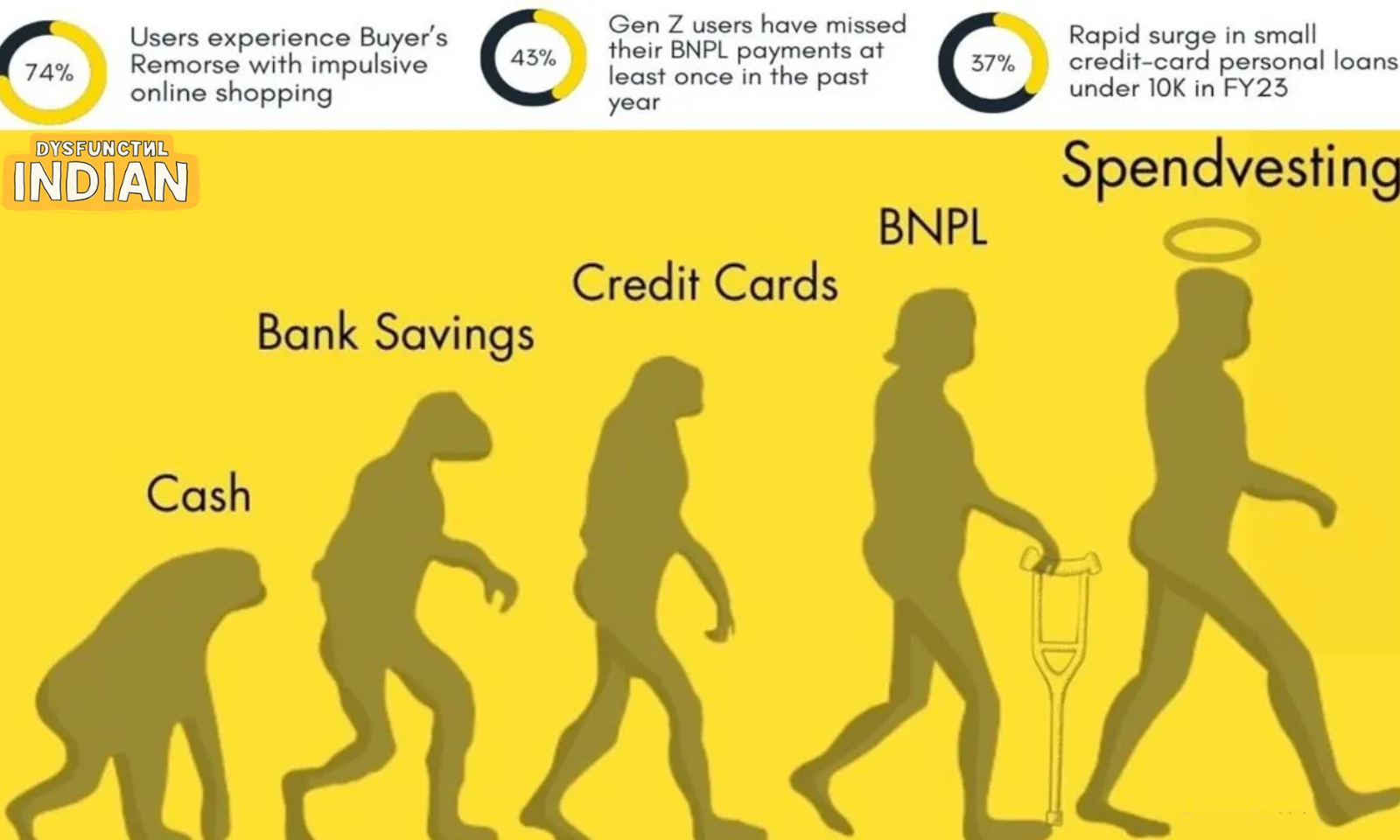
Cash, once the king of transactions,
is now facing an uncertain future. With digital payments, mobile wallets, and crypto
currencies on the rise, many are wondering if we're heading towards a fully
cashless society—and how soon that future might arrive. The end of cash may not
be imminent, but its decline is accelerating as digital payments become the new
norm.
The Decline of Cash: How We Got Here
It was global pandemic COVID-19 that
nudged the move towards digital payments. With fears of virus transmission
through physical currency, contactless payments surged worldwide. According to
a survey by Mastercard, 79% of respondents globally reported using contactless
payments during the pandemic for reasons of safety and convenience.
The Push for a Cashless Society
Countries across the globe are
making strides toward a cashless future. Sweden, for instance, could be the world’s first cash-free society
by 2025, with over 80% of its transactions already occurring digitally.
India’s 2016 demonetization is a
prime example of how government policies can spur the shift from cash to
digital transactions. In November 2016, the Indian government invalidated 86%
of the country’s currency in circulation overnight, with the aim of curbing
corruption and black money. This bold move led to a sharp increase in the
adoption of digital payment platforms. As cash became scarce, people quickly
turned to mobile wallets and digital payment systems like Paytm and PhonePe,
leading to a long-lasting shift in payment behavior.
UPI:
A Game Changer in Digital Payment
The introduction of the Unified Payments Interface (UPI) in
2016 further revolutionized India’s payment landscape. UPI, a real-time payment
system developed by the National Payments Corporation of India (NPCI), allows
instant money transfers between bank accounts using mobile devices. The
platform has seen meteoric growth—by August 2023, UPI recorded over 10 billion transactions in a single
month, representing a seismic shift toward digital payments in one of the
world’s largest and most cash-dependent economies.
Why a Cashless Future is Tempting?
The convenience of going cashless is
undeniable. According to a report by Capgemini, global digital payment volumes are expected to grow by 23% annually between 2020 and 2025,
driven by the increasing adoption of e-wallets and contactless payments.
Digital transactions are faster, more secure, and more convenient than fumbling
with cash. For businesses, accepting digital payments can reduce the risks of
theft and fraud while making accounting easier and more transparent.
Governments, too, are interested in
reducing reliance on cash, as digital transactions offer better tax enforcement and reduce the
possibility of under-the-table cash dealings that evade taxation.
The Dark Side of Ditching Cash
However, a cashless society isn’t
without its challenges. One of the most pressing concerns is financial inclusion. The World Bank estimates that 1.4 billion
adults globally remain unbanked, which means they have no access to digital
banking or payment services.
In India, for example, while UPI has revolutionized payments, a
2018 survey by the Reserve Bank of India found that nearly 40% of the
population still relied on cash, particularly in rural areas. Transitioning to
a fully digital system without adequate infrastructure could exacerbate the
digital divide, leaving the unbanked even more disconnected from the economy.
Another concern is privacy. Cash provides a level of
anonymity that digital payments simply cannot. Finally, there’s the issue of cybersecurity. A fully cashless
society would be vulnerable to hacking, system failures, or large-scale
cyberattacks. In July 2023, a cyberattack on Monzo, a popular UK-based digital bank, left millions of customers
unable to access their accounts for several hours—highlighting the potential
risks of relying solely on digital payment systems.
Is Cash Really Going Extinct?
While cash is on the decline, it
isn’t disappearing just yet. The world seems to be moving towards a hybrid
system, where both cash and digital payments coexist. In India, despite the sharp rise in UPI
transactions, cash still plays a critical role in rural and small-town
economies. According to the Reserve
Bank of India, cash withdrawals have continued to rise even after the
surge in digital payments post-demonetization, reflecting the enduring role of
physical currency.
The future of money is digital, but
the path to a cashless society is fraught with challenges. While it offers
convenience and efficiency, it also raises questions about privacy, security,
and financial access for all. As we move toward this new reality, it's crucial
to ensure that no one gets left behind in the rush to ditch cash.