

Finally, a Country Is Seriously Cracking Down on Kids Screen Time
Posted by admin on 2024-09-06 |
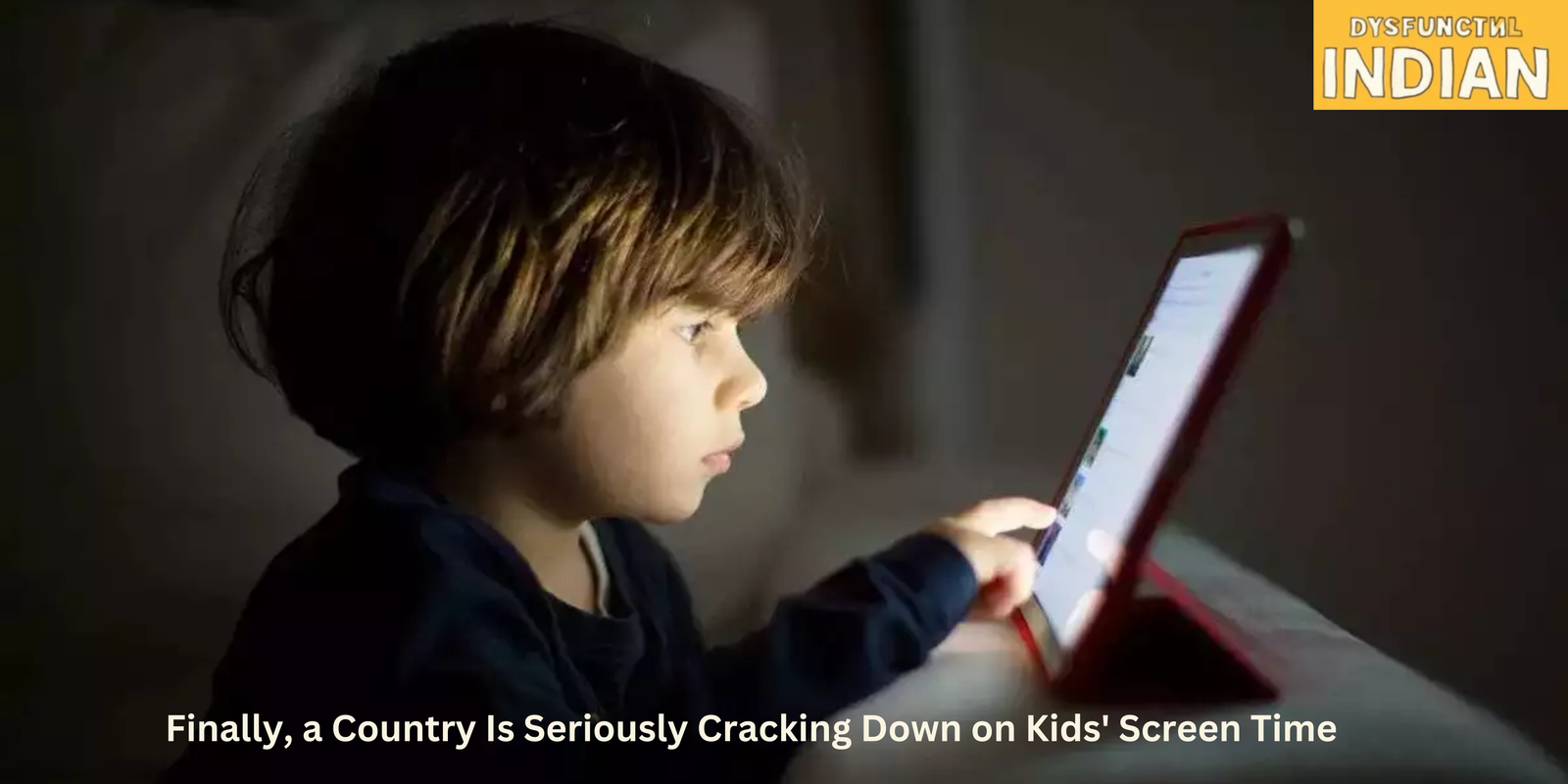
Sweden’s public health agency recently put out some pretty bold guidelines, suggesting kids should dramatically cut down on their screen use. They’re recommending zero screen time for babies and a max of three hours a day for teens. That’s a huge change, considering teens in Sweden currently spend an average of seven hours on screens outside of school.
We’re living in a time when screens dominate almost everything we do—work, school, even our downtime. But as more of our lives get consumed by scrolling, gaming, and binge-watching, experts worldwide are sending up warning flares about the impact this has on young people.
Why Cutting Screen Time Actually Matters
Dr. Jai Ranjan Ram, a senior consultant psychiatrist, breaks it down: the brain of a child is like a sponge, and it needs real-world interaction to grow. Think of it like a game of ping-pong—when a child smiles and an adult smiles back, the brain forms strong connections. But when a screen takes the place of this human interaction, the brain doesn’t develop the same way, especially in younger kids.
This worry isn’t just in Sweden. The Indian Academy of Pediatrics suggests no screen time for kids under two and only one hour per day for toddlers aged two to five. Why? Because development isn’t just about knowledge—it’s about getting enough exercise, sleep, and time with family and friends.
Countries Are Taking Action
The screen time crisis isn’t just a personal problem; countries are stepping in with some serious regulations. China, for instance, is proposing caps on internet use for kids. The Cyberspace Administration of China (CAC) is pushing for a feature that limits screen time to just 40 minutes per day for children under eight and two hours for teenagers. They’re even thinking about banning nighttime internet use between 10 PM and 6 AM.
The U.S. isn’t far behind. California Governor Gavin Newsom is trying to get smartphones out of schools, driven by concerns over issues like cyberbullying and the rise in body image problems fueled by social media. On top of that, the U.S. Senate has passed some pretty major legislation—the Kids Online Safety Act (KOSA) and the Children and Teens’ Online Privacy Protection Act—designed to protect kids from harmful online content.
In the UK, the approach is a bit more cautious. Prime Minister Keir Starmer acknowledges the need for online safety but isn’t fully on board with a complete ban on smartphones for kids under 16. Yet the data is pretty wild—according to Ofcom, a quarter of three- and four-year-olds in the UK already own smartphones, and over half of kids under 13 are using social media.
What Now? Time for Parents and Governments to Step Up
No matter where you are in the world, one thing is clear: the impact of excessive screen time on kids is real, and it’s being taken seriously. Governments are trying to figure out how best to handle it, but parents can’t sit this one out. Balancing screen time with real-life experiences is becoming more important than ever. Whether it’s toddlers or teens, the challenge is huge, but it’s not one we can afford to ignore.
The Bottom Line
The screen problem is growing, and both parents and governments need to take action. It’s not just about taking away phones or turning off Netflix—it’s about finding a healthy balance. Because the stakes are high, and the effects on kids’ development are too big to overlook.