

Equal Pay, Still a Work-In-Progress
Posted by admin on 2024-10-19 |
Despite years of advocacy and policy
changes, the gender wage gap continues to be a persistent issue globally,
including in India. As of 2024, the gap between what men and women earn for the
same work remains significant, raising concerns about gender equality in the
workforce. While there have been strides made in certain areas, the progress is
slow, and the wage gap remains a hurdle in achieving true gender equity in the
workplace.
What
does the Statistics Say?
A report by Oxfam India in 2022
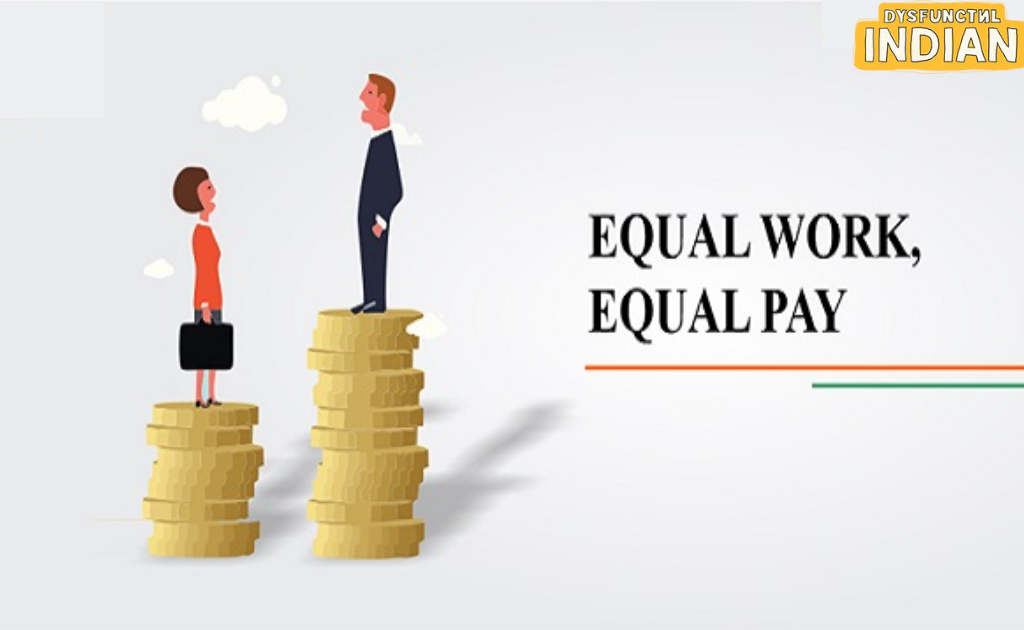
revealed that women in India, on average, earn 63% of what men earn for similar
work. This figure highlights the persistent disparity, despite legal measures
like the Equal Remuneration Act of 1976, which mandates equal pay for equal
work. Fast forward to 2024, and while there have been slight improvements, the
gap remains large enough to warrant concern.
The
Current Situation in India (2024)
In 2024, the gender wage gap in
India remains prevalent, particularly in industries such as agriculture,
healthcare, manufacturing, and the informal sector. According to recent data
from the World Economic Forum’s Global Gender Gap Report 2024, India ranked
127th out of 146 countries in terms of economic participation and opportunity
for women, indicating the slow pace of progress.
Women in India continue to face
barriers such as lack of access to higher education, limited opportunities for
career advancement, and societal expectations that prioritize their domestic
responsibilities over their careers. These factors contribute to a situation
where women are more likely to work in informal sectors or in lower-paid
positions, where wage disparities are even more pronounced. Moreover, only
about 23% of women in India were actively participating in the workforce in
2023, one of the lowest rates among major economies.
Causes
Behind the Gender Wage Gap
Several factors contribute to the
persistence of the wage gap in India. One significant cause is occupational
segregation, where women are often found in lower-paying industries or
roles. For instance, while women dominate fields like nursing, teaching, and
caregiving, they are underrepresented in higher-paying industries like
engineering, technology, and finance.
Unpaid
domestic work is another
contributing factor. Women in India are more likely to be responsible for
household chores and caregiving, which limits their availability for paid work.
A report by the International Labour Organization (ILO) noted that women in
India spend an average of 352 minutes per day on unpaid care work, compared to
51 minutes by men. This unequal division of labor reduces women’s earning
potential and opportunities for career growth.
Steps
Toward Progress
While the gender wage gap remains an
issue in India, there have been some steps taken to address it. Various
government and corporate initiatives are being implemented to empower women and
create a more equal workplace.
- Policy Changes: The Indian government has
introduced several policies aimed at improving women's participation in
the workforce, such as maternity benefits, skill development programs, and
increased support for women entrepreneurs. The Maternity Benefit
(Amendment) Act of 2017, for instance, increased paid maternity leave from
12 weeks to 26 weeks, although critics argue this could also lead to unconscious
bias in hiring practices.
- Corporate Initiatives: Many companies have started
to adopt gender equality programs, offering equal opportunities for growth
and leadership to women. In 2024, diversity and inclusion initiatives have
gained more importance in corporate India, with several organizations
striving to narrow the gender pay gap through fair hiring practices,
gender-neutral salary structures, and mentorship programs for women.
- Awareness and Advocacy: Advocacy groups and NGOs are
also playing an important role by raising awareness about the wage gap and
its impact on women's economic independence. Initiatives like the Beti
Bachao, Beti Padhao campaign emphasize the importance of educating girls
and encouraging them to pursue higher education and careers in
traditionally male-dominated fields.
Can
We Close the Gap?
Although there is no denying that
some progress has been made in addressing the gender wage gap, much more needs
to be done. The slow pace of change suggests that while awareness and policies
are increasing, their implementation and the shift in societal attitudes are
taking longer than anticipated.
In order to accelerate progress,
several key actions need to be taken:
- Investing in Education: Ensuring that women have
equal access to quality education is fundamental to reducing the wage gap.
Encouraging girls to pursue careers in STEM (Science, Technology,
Engineering, and Mathematics) fields, which are traditionally
male-dominated, can help bridge the income disparity.
- Addressing Unpaid Work: A cultural shift is necessary
to recognize the value of unpaid domestic labor and redistribute household
responsibilities more equitably between men and women. Providing
affordable childcare and flexible work arrangements can help women balance
work and family life without compromising their career prospects.
- Gender Audits and Transparency: Mandating companies to
conduct gender audits and maintain pay transparency can help identify and
address wage disparities within organizations. Countries like Iceland have
already implemented laws requiring equal pay certification, which could
serve as a model for India to follow.
Only by addressing the root causes
of the wage gap and fostering a cultural shift towards gender equality can we
hope to see meaningful progress in the coming years.