


Cultural Appropriation vs. Appreciation: Where Do We Draw the Line?
Posted by admin on 2024-10-07 |
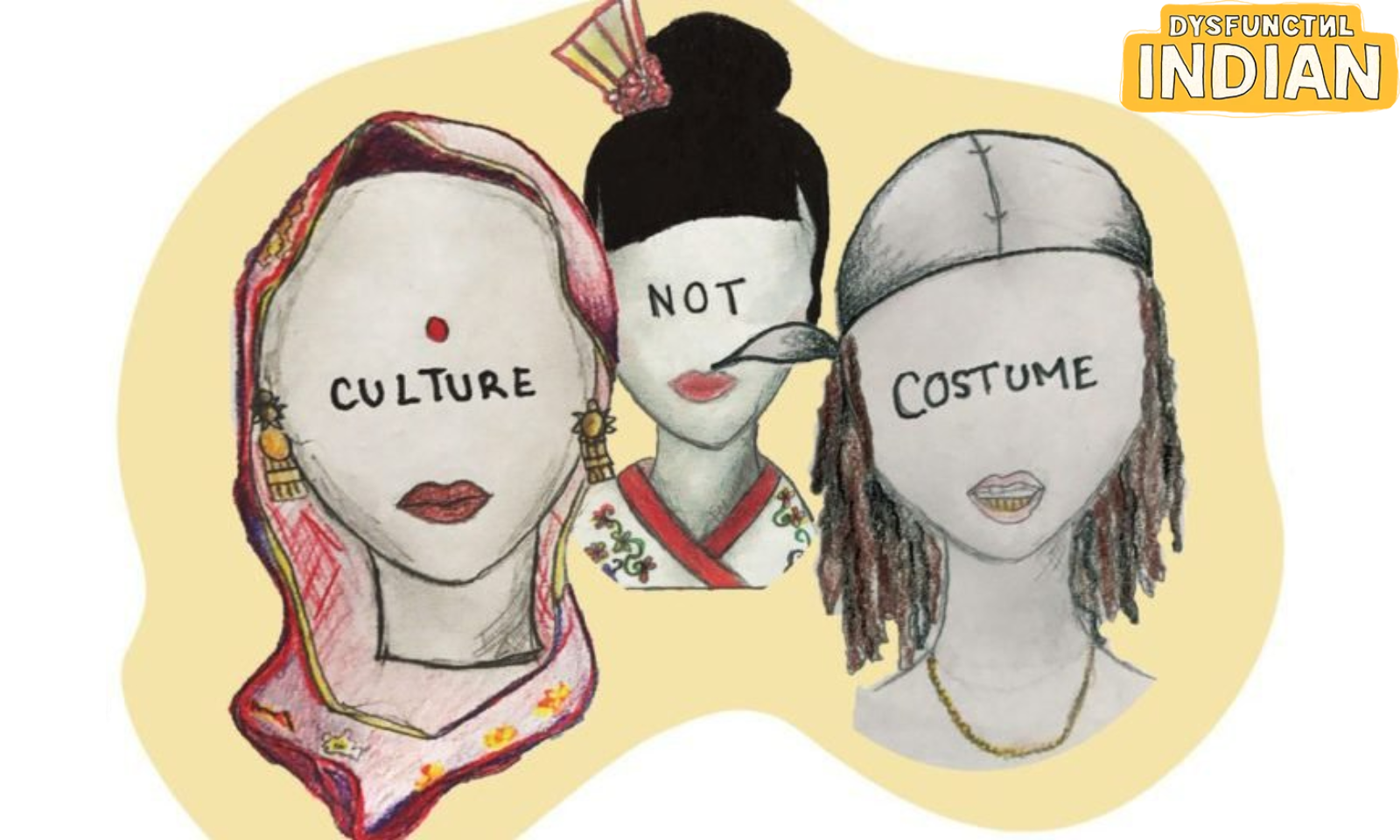
In our increasingly interconnected
world, the blending and sharing of cultures have become commonplace. While this
cultural exchange can lead to greater understanding and enrichment, it also
raises important questions about respect and authenticity. Particularly in a
diverse country like India, distinguishing between cultural appropriation and
appreciation is essential.
Understanding Cultural Appropriation
Cultural appropriation happens when
elements of a marginalized culture are adopted by members of a dominant culture
in a way that is disrespectful or superficial. This can include adopting
traditional clothing, symbols, music, or rituals without understanding their
significance. For example, wearing a saree as a mere fashion statement for a
party without appreciating its cultural and historical importance can be seen
as appropriation (Mathur, 2021).
A key issue with appropriation is
the power imbalance involved. Often, the dominant culture benefits commercially
or socially from adopting these cultural elements, while the original culture
may face stereotypes or discrimination. A notable instance is the global
fashion industry’s use of Indian textiles and designs. When Western brands
incorporate kurtas or bindis into their lines without acknowledging their cultural
roots, it commodifies and dilutes their original meanings (Roy, 2018).
Power Dynamics: The Core Difference
The distinction between
appropriation and appreciation largely hinges on power dynamics. Marginalized
cultures, which have historically faced oppression, see their cultural elements
adopted by dominant cultures without reciprocal respect or benefit. This
imbalance can perpetuate stereotypes and undermine the cultural significance of
the appropriated elements.
Take yoga as an example. Originating
from ancient Indian spiritual practices, yoga has been widely commercialized in
the West as a fitness trend. This shift often strips yoga of its spiritual and
philosophical roots, reducing it to a mere exercise routine. While yoga
practitioners may benefit from improved health, the original cultural and
spiritual context is frequently overlooked, highlighting the appropriation
issue (Roy, 2018).
The Indian Perspective: A Nuanced
Landscape
India’s rich tapestry of cultures,
languages, and traditions makes the conversation around appropriation and
appreciation particularly relevant. Within India, cultural exchange among
different regions typically involves mutual respect and deep understanding,
making it more of appreciation than appropriation. For instance, Punjabi
wedding traditions are celebrated nationwide, and Tamil cuisine is enjoyed
across the country with genuine appreciation for its unique flavors and
techniques.
However, on the global stage,
India’s cultural heritage is often commercialized without adequate respect or
understanding. Traditional practices like mehndi (henna) are sometimes used as
mere decorative elements at international events, divorced from their
ceremonial and cultural significance in Indian weddings and rituals. This
detachment transforms meaningful traditions into trendy accessories,
exemplifying appropriation rather than appreciation (Narayan, 2019).
The Commercialization Conundrum
One of the most problematic aspects
of cultural appropriation is the commercialization of cultural elements by
outsiders for profit, without benefiting the original community. For example,
when traditional Indian crafts or textiles are mass-produced and sold globally
by foreign companies, it not only dilutes the cultural significance but also
deprives local artisans of their rightful earnings and recognition.
Similarly, Bollywood-inspired
fashion trends often see sarees, bindis, and lehengas being worn at costume
parties or festivals abroad without an understanding of their cultural context.
While this might appear as admiration, it quickly crosses into appropriation
when the cultural meanings are ignored, and the items are used solely for
aesthetic purposes (Mathur, 2021).
Respectful Ways to Appreciate
Cultures
To ensure that cultural exchange
remains respectful and enriching, consider the following guidelines:
- Educate Yourself: Before adopting elements from another culture, take
the time to learn about their history, significance, and proper usage.
Understanding the context behind a saree, for instance, can deepen your
appreciation and prevent misuse.
- Give Credit: Acknowledge the origins of the cultural elements you
are embracing. If you’re incorporating Indian jewelry or yoga into your
lifestyle, recognize and honor their cultural roots.
- Engage with the Community: Participate in cultural practices with consent and
guidance from members of that culture. Attending local festivals with
respect or learning traditional dances from native practitioners
exemplifies true appreciation.
- Support Indigenous Businesses: Purchase cultural items from
authentic sources that benefit the originating community. Buying directly
from Indian artisans ensures that the profits support and sustain their
traditional crafts.
Takeaway
Navigating the fine line between
cultural appropriation and appreciation requires sensitivity, respect, and a
willingness to understand the deeper meanings behind cultural elements. In a
multicultural nation like India, where diverse traditions coexist, this balance
is crucial to fostering genuine cultural exchange. By prioritizing education,
giving credit, engaging respectfully, and supporting indigenous communities, we
can celebrate and honor diverse cultures without exploiting or diminishing
their significance.