


Could E-Sports Be the Next Olympic Sport?
Posted by admin on 2024-09-12 |
Video
games have come a long way from being a niche hobby to becoming a massive
global industry with millions of fans. What was once considered a pastime for
kids and teens is now a booming sector, generating billions in revenue and
creating a new wave of professional players, streaming celebrities, and fan
culture.
And
now, we have e-sports, the competitive side of gaming that has exploded in
popularity over the past decade. With international tournaments, massive prize
pools, and millions tuning in to watch players battle it out, the big question
is: Is e-sports on track to become the
next Olympic sport?
What
Exactly Is E-Sports?
In
case you didn’t know, e-sports (short for electronic sports) are all about
competitive gaming, where players or teams go head-to-head in tournaments.
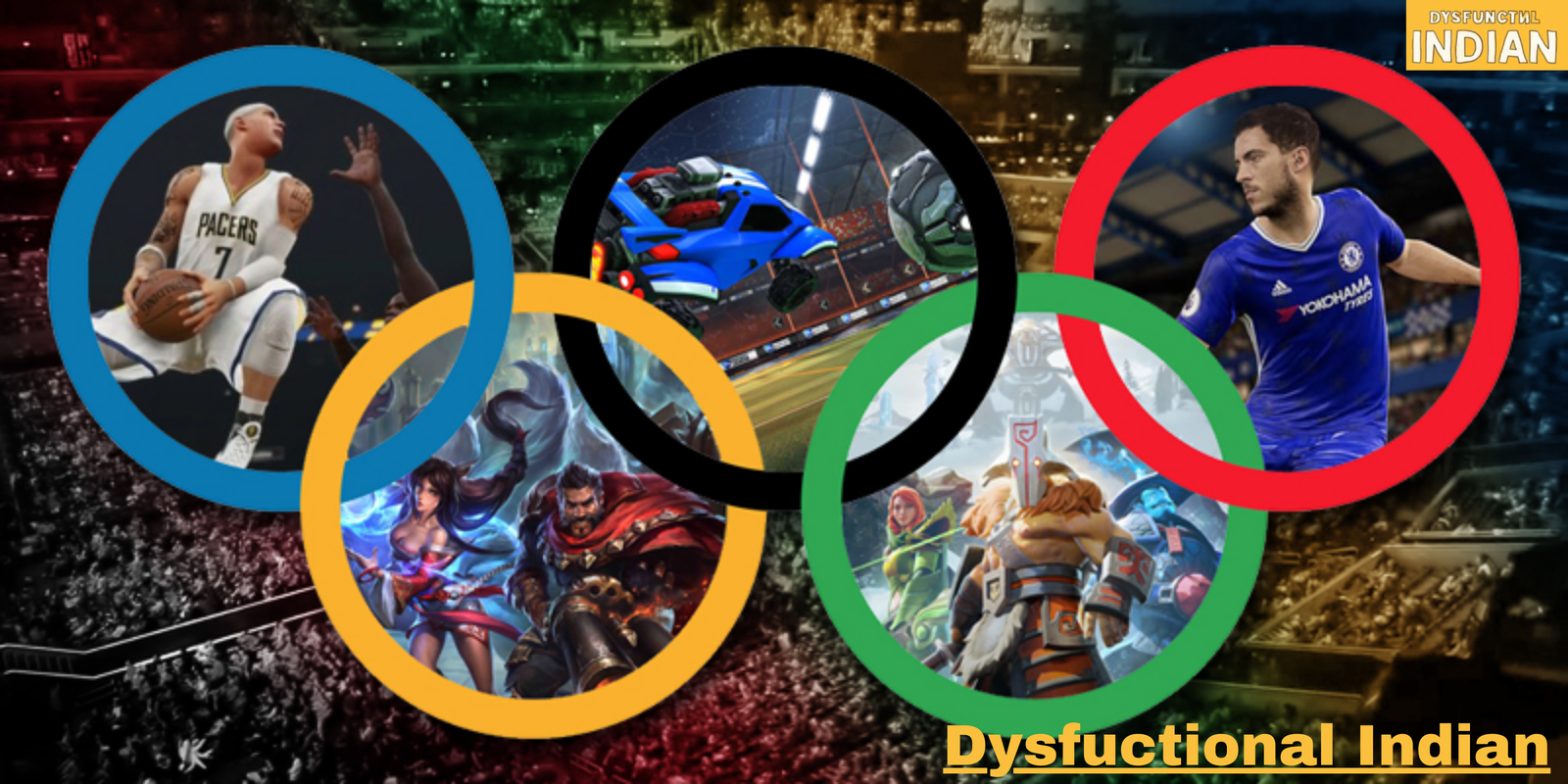
Think League of Legends, Dota 2, Counter-Strike, and Fortnite.
These games are so popular that they pull in millions of viewers and massive
prize pools. E-sports is now at the point where it’s rivaling traditional
sports like basketball and soccer in both viewership and revenue.
In
2023, e-sports generated over $1
billion in revenue, with forecasts predicting continued growth. Popular
tournaments like the League of Legends
World Championship and The
International (Dota 2) have prize pools in the tens of millions, with
elite players earning careers out of their gaming skills. E-sports events have
sold out major arenas, from the Staples
Center in Los Angeles to the Bird’s
Nest Stadium in Beijing, proving that the demand for competitive gaming
is only getting stronger.
Olympic
Ambitions
While
e-sports have clearly established themselves as a major player in the
entertainment world, the big question is whether they can make the leap to the
Olympics. Over the past few years, discussions around including e-sports in the
Olympic Games have gained traction. The International
Olympic Committee (IOC) has taken steps to acknowledge the growing
influence of competitive gaming, even holding an Olympic Virtual Series in 2021, which featured virtual versions of
traditional sports like baseball, cycling, and sailing.
However,
the path to the Olympics isn't that straightforward. For one, there’s the physicality argument. Critics often point
out that traditional Olympic sports require physical prowess, endurance, and
athletic skill, while video games rely more on mental agility and hand-eye
coordination. While e-sports may not involve running, jumping, or swimming,
elite gamers must train rigorously to maintain peak mental and reflexive
abilities. E-sports athletes often practice for 10+ hours a day, refining their strategies, reaction times, and
teamwork, much like any other Olympic athlete.
Another
hurdle is the variety of games. Unlike traditional sports, e-sports encompass
many different games, each with its own mechanics and fanbase. Which game
should be selected to represent e-sports in the Olympics? And since many
popular e-sports titles are owned by private companies, does this commercial
aspect pose a conflict with the Olympic ideals?
E-Sports
Already Has a Global Stage
Even
without the Olympics, e-sports has already cemented itself as a global
phenomenon. The International Olympic
Committee may still be debating the merits of including e-sports, but
the reality is that e-sports already enjoys international tournaments that
resemble the Olympics in scope and audience. Major events like the Overwatch League Grand Finals or Call of Duty Championships feature
players from around the world, with country-based teams competing for national
pride—mirroring the spirit of the Olympics.
There’s
also the inclusion of e-sports in the Asian
Games, which is a significant step toward legitimizing gaming as a
sport. In 2018, e-sports was featured as a demonstration sport, and by 2022, it
became a full-fledged medal event. This move sets a precedent for other major
sporting events to consider including e-sports, potentially accelerating its
journey to the Olympics.
A
Changing Definition of "Sport"
As
we move forward, the definition of “sport” is evolving. Just look at how
skateboarding and surfing made their Olympic debut at Tokyo 2020. Both were
once seen as niche, but they’ve now found a place in the Olympics. This shift
shows that the Olympic Games are adapting to new generations and interests.
The
rise of e-sports is largely fueled by younger
audiences—particularly Gen Z and Millennials—who grew up with gaming as
a central part of their culture. If the Olympics hope to stay relevant to this
demographic, the inclusion of e-sports could be an essential step. With
millions of fans and a rapidly expanding infrastructure, e-sports brings a new
kind of excitement to the table, one that could draw younger viewers to the
Olympic Games.
For
now, e-sports will continue to thrive on its own terms, with a fanbase that
only seems to be growing larger. Whether or not we’ll see gamers standing on an
Olympic podium remains to be seen, but one thing’s for sure: e-sports is here
to stay, and it’s only getting bigger.